
Temperature-Controlled Warehousing Guide: Cold Storage Options and Costs
What is a temperature-controlled warehouse? Compare cold storage zones and options, what drives cold storage costs, and how to choose a provider.

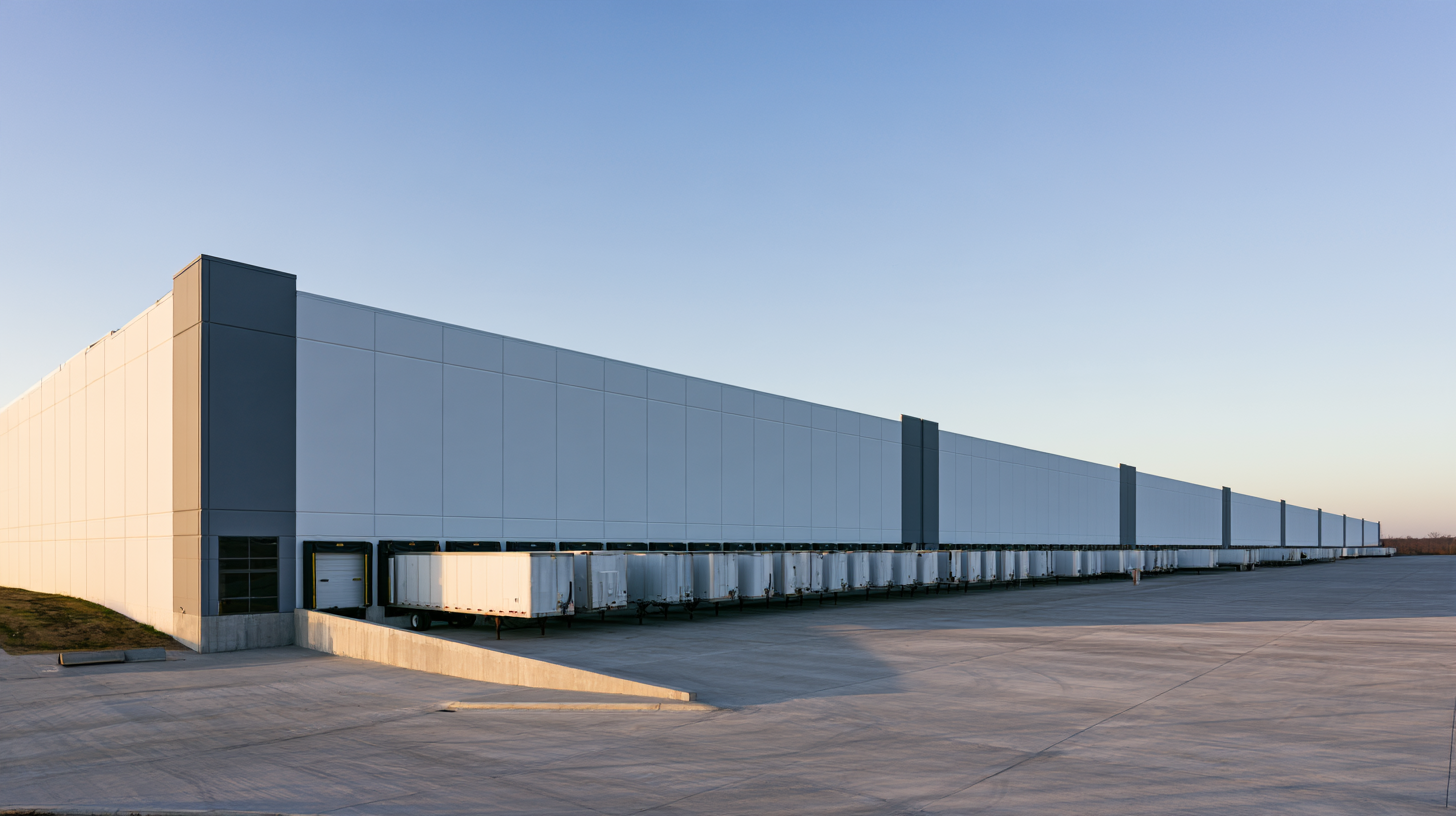
A temperature-controlled warehouse stores products within a set temperature range, from cool climate-controlled space (about 50°F to 70°F) to refrigerated, also referred to as chilled (33°F to 40°F), frozen (0°F or below), and deep frozen (-10°F or colder). Brands can rent shared pallet positions, reserve dedicated space, or use a managed network that places products in the right facilities across regions. Cold storage costs more than ambient storage because refrigeration runs around the clock, so the right setup depends on your products, volumes, and where your customers are.
Temperature-controlled warehousing protects products that spoil, melt, or degrade outside a set range. If you're a logistics, supply chain, or operations leader at a food, beverage, or consumer goods brand, this guide covers the main temperature zones, the cold storage options available, what drives cost, and what to check before you choose a temperature-controlled warehouse provider.
What Is a Temperature-Controlled Warehouse?
A temperature-controlled warehouse is a facility that holds inventory at a specific temperature, often with humidity monitoring, to protect product quality and safety. It covers everything from cool storage for chocolate to deep-freeze storage for ice cream. Here are the main temperature zones and what they typically store.
| Temperature zone | Typical temperature | Common products |
|---|---|---|
| Climate-controlled | About 50°F to 70°F, often with humidity monitoring | Chocolate, candy, wine, supplements |
| Refrigerated | 33°F to 40°F | Dairy, fresh meat and seafood, produce, beverages |
| Frozen | 0°F or below | Frozen meals, frozen meat and seafood, frozen vegetables |
| Deep frozen | -10°F or colder | Ice cream and other products that need extra-cold storage |
Exact set points vary by product and facility, so match each zone to your product specifications. Many facilities run several zones under one roof, which lets brands with mixed product lines keep inventory in one building.
What Cold Storage Options Are Available?
The main cold storage options are shared public cold storage, dedicated cold storage, multi-temperature facilities, cold storage with value-added services, and managed cold storage networks. The right choice depends on how steady your volume is, how many temperature zones you need, and how many regions you serve.
| Option | How it works | Best for | Watch for |
|---|---|---|---|
| Public (shared) cold storage | You rent pallet positions in a facility that serves many customers | Variable or seasonal volume | Space can tighten during peak season |
| Dedicated cold storage | An operator provides pre-determined space reserved for your products, usually under a longer contract | High, steady volume | Longer commitments |
| Multi-temperature facility | One building runs several temperature zones | Brands with ambient, refrigerated, and frozen products | Confirm capacity in each zone you need |
| Cold storage with value-added services | Adds services such as blast freezing, case picking, labeling, or kitting | Brands that need more than storage | Services are priced separately |
| Managed cold storage network | A managed provider places your products in temperature-controlled facilities across its partner network | Multiple regions or temperature zones under one team | How much oversight and visibility you get across facilities |
Refrigerated Warehousing
Refrigerated warehousing holds products between about 33°F and 40°F. FDA guidance keeps refrigerated food at 40°F or below, and refrigerated facilities serve dairy, fresh meat and seafood, produce, and many beverages. These products often have short shelf lives, so rotation, date tracking, and fast turns matter as much as temperature.
Frozen Food Warehousing
Frozen food warehousing holds products at 0°F or below, with deep-frozen zones at -10°F or colder for products like ice cream. Frozen facilities often offer blast freezing, which brings fresh product down to frozen temperature quickly before it goes into storage.
Climate-Controlled Storage
Climate-controlled storage keeps products cool, usually between 50°F and 70°F, often with humidity monitoring. It suits chocolate, candy, wine, supplements, and other products that soften or degrade in summer heat but do not need refrigeration.
How Much Does Cold Storage Cost?
Cold storage costs more than ambient storage because refrigeration runs 24 hours a day and facilities need insulated buildings and specialized equipment. Frozen and deep-frozen space usually costs more than refrigerated space, and refrigerated costs more than climate-controlled. Most providers quote cold storage cost per pallet per month, then add charges for handling and services:
- Storage: A monthly charge per pallet position, higher than ambient and highest for frozen and deep-frozen space.
- Receiving and handling: Moving product into and out of the facility, including case picking and loading.
- Blast freezing: Rapidly bringing fresh product down to frozen temperature, priced separately.
- Temperature monitoring and recorders: Monitoring reports and temperature recorders for outbound shipments.
- Lot and date code capture: Recording lot numbers and expiration dates for traceability and stock rotation.
- Minimums and accessorials: Monthly minimums, after-hours receiving, holds, and other extras.
Your total cost also depends on volume, location, contract length, and timing. Refrigerated and frozen space is often the first to fill up during peak season, which can push spot rates higher. To keep costs in check, quote every provider on the same volume profile, ask which services are included in the storage rate, and plan capacity for your busiest months. Our 3PL warehouse pricing guide explains the most common warehouse fees in more detail.
How to Choose a Temperature-Controlled Warehouse Provider
The right temperature-controlled warehouse provider can prove it holds your products at the right conditions every day, with records to back it up. Use these questions to compare providers on the same terms:
- How are temperatures monitored, and who gets alarms after hours? Continuous monitoring and fast response protect products when equipment fails.
- What backup power is in place? An outage without backup power can put an entire inventory at risk.
- How do you document and report temperature excursions? You need records to make decisions about affected product and to answer customers.
- Are docks enclosed or refrigerated, and are trailers pre-cooled? Product is most exposed during loading and unloading.
- Do you have capacity in our zones during peak season? Refrigerated and frozen space is often the first to fill up.
- Do you capture lot numbers and date codes? Traceability and stock rotation depend on accurate records.
- Which services are included in the storage rate? Blast freezing, recorders, and handling are often billed separately.
If you store food, also confirm the provider's FDA status and any food safety certifications your customers require. Our food-grade warehousing guide covers those requirements.
How WarehouseQuote Helps With Temperature-Controlled Warehousing
WarehouseQuote helps food, beverage, and consumer goods brands find and manage temperature-controlled warehousing across a network of 3PL facility partners. That network includes more than 250 temperature-controlled locations across 39 U.S. states and Canada, with more than 190 climate-controlled facilities and about 120 refrigerated and cold storage facilities. Our team matches your products and temperature requirements to the right facilities, then manages those facilities on your behalf.
American Foods Group, a family-owned food company with seven meat processing facilities across the U.S., partners with WarehouseQuote for refrigerated warehousing to support its growing export business. Through our network, the company secured refrigerated storage in historically tight markets across two facilities, with expanded USDA inspections, labeling, and SOP training, all managed through one partner.
"With WarehouseQuote's network of cold storage facilities we are able to outsource our USDA compliance efforts as needed, helping add resources and control our labor spend across our international export program." Katie Flaig, Export Coordinator, American Foods Group
Read the American Foods Group success story.
Learn more about how we support food and beverage brands.
Frequently Asked Questions About Temperature-Controlled Warehousing
What temperature is a refrigerated warehouse?
Refrigerated warehouses typically operate between 33°F and 40°F. FDA guidance keeps refrigerated food at 40°F or below, and exact set points depend on the product.
How much does cold storage cost per pallet?
Cold storage is usually priced per pallet per month, and rates vary by temperature zone, volume, location, and contract length. Frozen storage generally costs more than refrigerated storage, and handling and services are billed separately, so compare total cost across providers.
What is the difference between refrigerated and frozen storage?
Refrigerated storage keeps products cold, typically between 33°F and 40°F, for items like dairy, fresh meat, and produce. Frozen storage keeps products at 0°F or below for frozen foods, and deep-frozen zones go to -10°F or colder.
What is a multi-temperature warehouse?
A multi-temperature warehouse runs several temperature zones in one facility, such as ambient, refrigerated, and frozen. It lets brands with mixed product lines store inventory in one building and ship mixed orders from one location.
Do temperature-controlled warehouses need to be registered with the FDA?
Most facilities that hold food for consumption in the U.S. must register with the FDA, though some are exempt, such as facilities that handle only meat, poultry, or egg products regulated exclusively by the USDA. Facilities that store refrigerated packaged food also need documented temperature controls.
Find the Right Temperature-Controlled Warehouse for Your Products
A temperature-controlled warehouse protects products that need a set temperature range, from climate-controlled to deep frozen, and the right option depends on your products, volumes, and regions. Compare providers on monitoring, capacity, and total cost, since the storage rate is only part of the bill. If you need temperature-controlled space in more than one region or zone, talk to a WarehouseQuote expert about building a cold storage network that fits your products.
About WarehouseQuote
WarehouseQuote is a managed warehouse and fulfillment solution. Through operational expertise, purpose-built technology solutions, and an extensive warehouse and fulfillment network, we help businesses optimize their warehouse and fulfillment operations.
