
Food-Grade Warehousing: Requirements and How to Choose a Provider

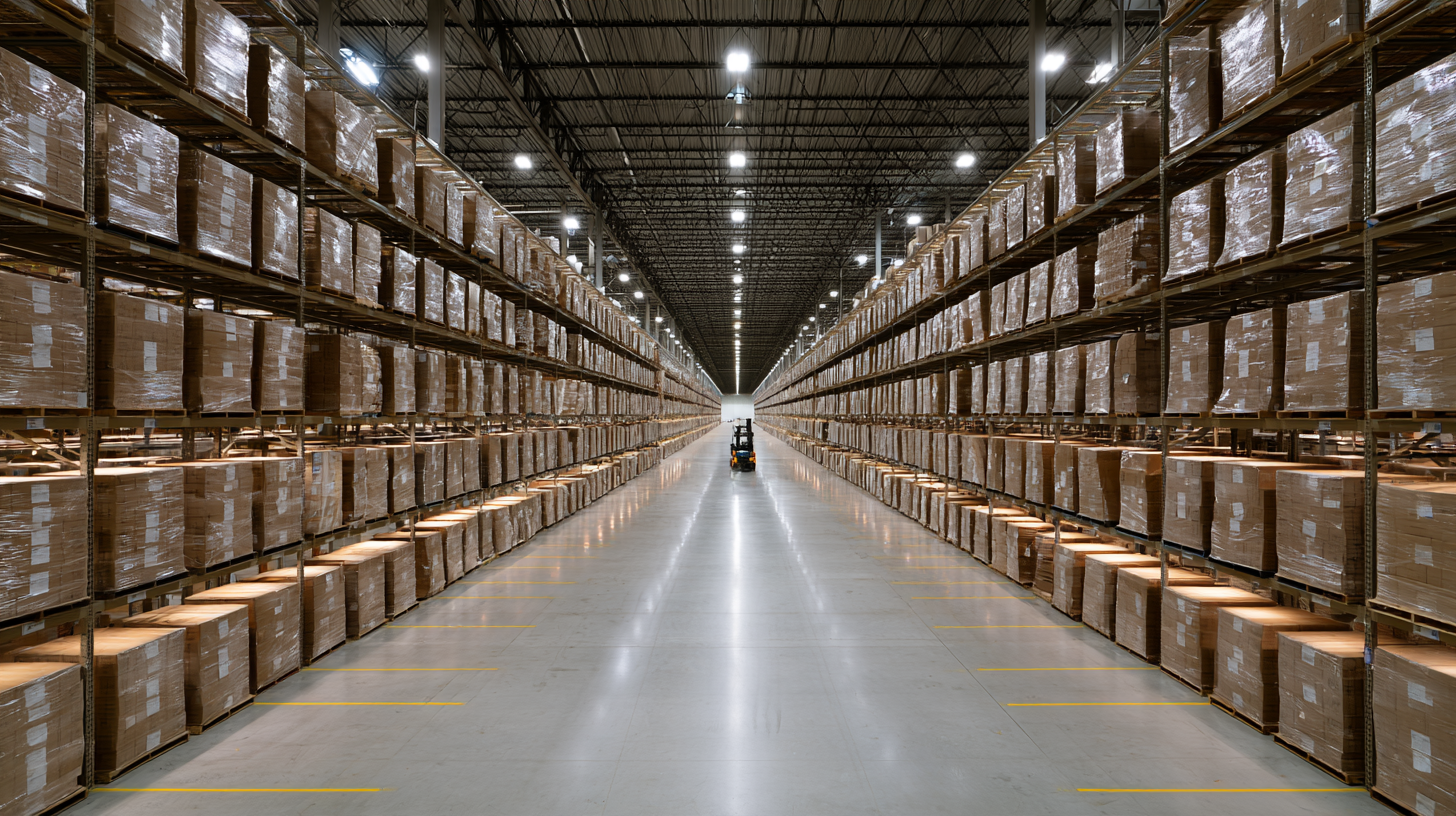
A food grade warehouse is a storage facility that meets FDA requirements for holding food, which for most facilities means FDA registration and Current Good Manufacturing Practices (CGMPs). In practice, that means written sanitation and pest control programs, controlled storage temperatures, records that let products be traced, and physical separation of food from chemicals, allergens, and other sources of contamination. Third-party certifications such as AIB, SQF, and BRCGS are not federally required, but many retail and foodservice customers require them. To choose a provider, confirm its FDA status, review any audit reports your customers will ask for, and make sure the facility can hold your product at the right temperature while meeting your customers' requirements.
This guide is for logistics, supply chain, and operations leaders at food and beverage brands who are sourcing a new 3PL, adding a facility, or vetting the warehouses already in their network. It covers what federal rules require of a food grade warehouse, which certifications buyers look for, and the questions to ask before you move inventory.
One date to put on your calendar: FDA food facility registrations run on a two-year cycle, and the current renewal window is open from October 1 through December 31, 2026. FDA will consider the registration of any facility that does not renew by December 31 to be expired, so confirm that any registered warehouse holding your product has completed its renewal.
What Is a Food Grade Warehouse?
A food grade warehouse is a facility built and run to keep food safe and wholesome while it is stored and shipped. "Food-grade" is not a single license. The term describes a facility that meets the federal requirements for holding the food it stores and backs them up with documented programs, trained staff, records, and, when customers require them, outside audits.
Many general warehouses store sealed, shelf-stable food. A food-grade facility can also show an auditor or a customer how it prevents contamination, controls temperature, and finds every case of a specific lot.
Food-grade facilities come in four main storage environments, and many operate more than one under the same roof. Exact ranges vary by facility, so match them to your product's specifications.
| Environment | Typical temperature | Common products |
|---|---|---|
| Ambient (dry) | No active temperature control; follows seasonal conditions, often between about 55°F and 85°F | Canned goods, bottled beverages, dry ingredients, shelf-stable snacks |
| Climate-controlled | Held within a set range, commonly 50°F to 70°F, often with humidity monitoring | Chocolate, candy, wine, supplements, and other heat-sensitive products |
| Refrigerated | 33°F to 40°F | Dairy, fresh meat and seafood, produce, refrigerated beverages |
| Frozen | 0°F or below | Frozen meals, ice cream, frozen meat and seafood |
Ambient space usually costs the least, but its temperature rises and falls with the season. Chocolate, candy, and other products that soften or degrade in heat belong in climate-controlled space, so check your product specifications before you assume "dry" storage will do.
What Are the Requirements for a Food Grade Warehouse?
For most food grade warehouses in the U.S., the federal baseline includes FDA registration, CGMPs, temperature control for refrigerated food that needs it for safety, and records of where food came from and where it went. Exactly which rules apply depends on the products a facility handles.
FDA Food Facility Registration
Most facilities that manufacture, process, pack, or hold food for consumption in the U.S. must register with the FDA, but exemptions exist. For example, a facility that handles only meat, poultry, or egg products regulated exclusively by the USDA does not register with the FDA. Registrations must be renewed between October 1 and December 31 of every even-numbered year, and there is no fee to register or renew. Each registration must include a unique facility identifier, and FDA currently accepts a DUNS number for this purpose.
Registration tells FDA the facility exists and what it handles. It does not mean FDA has inspected or approved the facility. If a provider is not registered, ask which exemption applies and confirm it fits the products you plan to store.
Current Good Manufacturing Practices (21 CFR Part 117)
FDA's CGMPs in 21 CFR Part 117, Subpart B apply to facilities that hold food. They cover employee hygiene and training, building and grounds upkeep, sanitary operations, pest exclusion, equipment, and storing food under conditions that protect it from contamination and deterioration.
A facility that only stores unexposed packaged food is exempt from FSMA's full hazard analysis and preventive controls requirements. It still has to follow CGMPs. If it stores refrigerated packaged food that needs temperature control for safety, it must also meet modified requirements: set temperature controls, monitor them, take corrective action when control is lost, calibrate its monitoring devices, and keep records of all of it.
Facilities that open packaging or handle exposed food take on broader requirements. If you need repacking or any other service that opens the product, tell your provider up front so you can confirm the facility is set up for it.
Sanitation, Pest Control, and Allergen Separation
Sanitation and pest control are where food-grade facilities separate themselves from general warehouses. Look for:
- A master sanitation schedule that lists every area, how often it is cleaned, who does it, and how it is verified.
- A documented pest control program, usually run by a licensed contractor, with device maps, service logs, and trend reports.
- Separation of food from chemicals, cleaning supplies, and non-food products that could contaminate food or transfer odors.
- Allergen controls, including how the facility stores allergen-containing product and cleans up damaged cases.
- Glass and brittle plastic policies and GMP training records for every employee who handles food.
Lot Tracking and Traceability
Most facilities that hold food must keep records of where each shipment came from and where it went, often called one-up, one-down traceability. Lot-level tracking goes further, and federal rules require it only for certain foods. Many food-grade warehouses still capture lot numbers and date codes at receiving and shipping as standard practice, and many customers require it, because it lets the facility tell you exactly which customers received a given lot during a recall.
Foods on FDA's Food Traceability List, such as leafy greens, tomatoes, shell eggs, finfish, and soft cheeses, will need additional records under FSMA Section 204. The compliance date for that rule is now July 20, 2028, after FDA proposed a 30-month extension and Congress directed the agency not to enforce the rule before that date. Read our FSMA Section 204 overview for what the rule requires.
Stock rotation is a best practice set by the warehouse and its customers rather than a federal rule. Many facilities rotate stock first-in, first-out (FIFO), while products with expiration or best-by dates are often picked first-expired, first-out (FEFO). Many retailers also set a minimum remaining shelf life for every delivery. A warehouse that does not capture date codes cannot rotate dated products correctly, which can lead to rejected shipments and written-off inventory.
Sanitary Transportation
FDA's Sanitary Transportation rule covers shippers, loaders, carriers, and receivers of food. A warehouse that loads your trucks should inspect trailers for cleanliness, damage, and odors before loading, and confirm that refrigerated trailers are pre-cooled to the required temperature.
USDA Oversight for Meat, Poultry, and Egg Products
If you store meat, poultry, or egg products, the warehouse may also fall under the USDA's Food Safety and Inspection Service (FSIS), which has its own registration and recordkeeping rules for certain warehouses. Confirm the facility's status with FSIS before you ship USDA-regulated product to it.
Which Food Safety Certifications Should a Food Grade Warehouse Have?
Food safety certifications are not required by federal law. They are usually customer-specific: many large retailers and foodservice buyers require their suppliers to use certified or third-party-audited facilities. Check your customer contracts first, since they often name the standard you need. Many contracts ask for a GFSI-recognized certification. The Global Food Safety Initiative (GFSI) is an industry group that benchmarks certification programs. SQF, BRCGS, and FSSC 22000 all meet its benchmark, so any of them satisfies a GFSI requirement.
| Certification or audit | What it is | When it matters |
|---|---|---|
| AIB International GMP inspection | A scored third-party inspection focused on whether food safety procedures are followed on the warehouse floor | Commonly requested by food brands and retail customers |
| SQF (Safe Quality Food) | A GFSI-benchmarked certification for storage and distribution that leans heavily on documented programs and records | Often required by large U.S. retailers and foodservice buyers |
| BRCGS Storage and Distribution (formerly BRC) | A GFSI-benchmarked standard written for logistics operations | Most common with retailers and buyers outside the U.S., especially in the UK and Europe |
| FSSC 22000 | A GFSI-benchmarked certification built on ISO 22000 | Common with multinational food manufacturers |
You rarely need a facility that holds more than one of these certifications, since the audits check the same core programs: personnel practices, maintenance, cleaning, pest management, and food safety plans. Ask for the full audit report along with the certificate. The report shows the score, the audit date, any findings, and whether corrective actions were closed. Some providers hold back scores on a first sourcing call, but any serious candidate should share them, along with its corrective actions, once talks move forward.
If a facility you like is not certified yet but plans to be, ask how far along it is. A warehouse that already runs most of the required programs can usually schedule an audit and certify within a few months. One starting from scratch can take up to a year. If you sell organic, kosher, or halal products, also confirm what your certifying body requires of storage facilities. Our guide to warehouse facility certifications covers other standards to know.
How to Choose a Food Grade Warehouse Provider
Use this checklist when you evaluate a food-grade facility.
- Match the environment to your product. Confirm the temperature and humidity ranges you need, whether you need more than one environment, and whether the facility will have temperature-controlled space available during your peak season.
- Verify registration and audits. Get the FDA registration number and confirmation of the 2026 renewal, or the exemption that applies if the facility is not registered. If your customers require a certification, get the most recent audit report with its score. Ask whether FDA has inspected the facility and whether any findings are still open, and who runs the facility's food safety program day to day.
- Review temperature monitoring. Ask whether temperatures are monitored continuously, who receives alarms after hours, how temperature excursions are documented and reported to you, how often devices are calibrated, and what backup power is in place.
- Test lot control and recall readiness. Ask for the results of the last mock recall, including how long it took to locate every case of the test lot and identify every customer who received it.
- Check how the facility manages shelf life. Ask whether the facility rotates your products FIFO or FEFO, confirm that date codes are captured at receiving, and make sure you get alerts before inventory falls below your customers' minimum shelf life.
- Confirm retail compliance capability. Food sold into big-box and grocery retailers has to meet pallet, labeling, routing, and must-arrive-by requirements. Each miss can bring a chargeback. Our Retail Compliance Resource Hub covers what major retailers require.
- Look at what else is stored in the building. Chemicals, fragrances, and other strong-smelling products stored near food can cause contamination and odor transfer. Ask how the facility zones different product types and allergens.
- Understand the pricing structure. Food-grade storage usually costs more than general storage, and refrigerated and frozen space cost more again. Ask how the facility charges for lot capture, temperature recorders, and holds. Our 3PL warehouse pricing guide explains the most common fees, and the quarterly Warehouse Pricing Index tracks storage rates by region.
Common Mistakes When Sourcing Food-Grade Storage
Most food-grade warehousing problems trace back to a few gaps in how a provider was vetted or managed:
- Treating FDA registration as approval. Registration is a starting point. The facility's own records, and any audit reports, show how it operates day to day.
- Accepting a certificate without the report. The certificate shows an audit happened. The report shows what the auditor found.
- Capturing lots at receiving but not at shipping. If lot numbers are not recorded on outbound orders, the facility cannot tell you who received a recalled lot.
- Planning for average volume. Refrigerated and frozen space is the first to fill up during peak season. Confirm capacity for your busiest months.
- Managing several facilities without one view of inventory. Brands that use more than one food-grade warehouse often track inventory, lots, and dates in separate systems, which slows down reconciliations and recalls.
How WarehouseQuote Helps Food and Beverage Brands With Food-Grade Warehousing
WarehouseQuote helps food and beverage brands find and manage food-grade warehousing across a network of 1,000+ vetted 3PL facility partners in the U.S. and Canada, covering ambient, climate-controlled, refrigerated, and frozen environments. Our team matches your product, volume, and customer requirements to facilities that meet them, then manages those facilities on your behalf.
That includes onboarding and training warehouse teams on your SOPs, daily order advocacy, regular inventory reconciliations, and retail compliance support for your customers' requirements. Our technology platform gives you real-time inventory and order visibility across every facility in your network. Candy brand JoyRide worked with WarehouseQuote to reduce retail chargebacks as it expanded into retail. Read the JoyRide success story, or see how we support food and beverage brands.
Frequently Asked Questions About Food Grade Warehouses
What makes a warehouse food grade?
A warehouse is food grade when it meets FDA requirements for holding food, including registration unless an exemption applies, follows Current Good Manufacturing Practices, and runs documented programs for sanitation, pest control, temperature control, and product traceability. Many also hold a third-party certification such as AIB, SQF, or BRCGS when their customers require one.
Does a food grade warehouse need to be registered with the FDA?
Usually. Most facilities that hold food for consumption in the U.S. must register with the FDA and renew between October 1 and December 31 of every even-numbered year. Some are exempt, such as facilities that handle only meat, poultry, or egg products regulated exclusively by the USDA. Registration does not mean FDA has inspected or approved the facility.
What is the difference between a food grade warehouse and a cold storage warehouse?
Cold storage describes temperature, and food grade describes food safety practices. A cold storage warehouse can hold non-food products such as pharmaceuticals or chemicals, while a food grade warehouse can be ambient, climate-controlled, refrigerated, or frozen. Many facilities are both.
Do food grade warehouses need SQF or AIB certification?
No. Federal law does not require SQF, AIB, BRCGS, or any other third-party certification. These are usually customer-specific requirements, so check your customer contracts and supplier requirements before you choose a facility.
How much does food grade warehousing cost?
Cost depends on storage environment, volume, location, and the services you need. Food-grade storage usually costs more than general warehousing, and refrigerated and frozen storage cost more than ambient.
Find the Right Food Grade Warehouse for Your Products
A food grade warehouse is defined by how it meets FDA requirements, the CGMP programs it runs, and the records that prove those programs work. Choosing a provider comes down to verifying all three, along with any certifications your customers require, then confirming the facility can hold your product at the right conditions and ship to your customers' requirements. If you are sourcing a new food-grade facility or need better control over the ones already in your network, talk to a WarehouseQuote expert about building a food-grade warehouse network that fits your products and customers.
About WarehouseQuote
WarehouseQuote is a managed warehouse and fulfillment solution. Through operational expertise, purpose-built technology solutions, and an extensive warehouse and fulfillment network, we help businesses optimize their warehouse and fulfillment operations.
