
Hazmat and Chemical Warehousing Guide: Storage Requirements and Costs

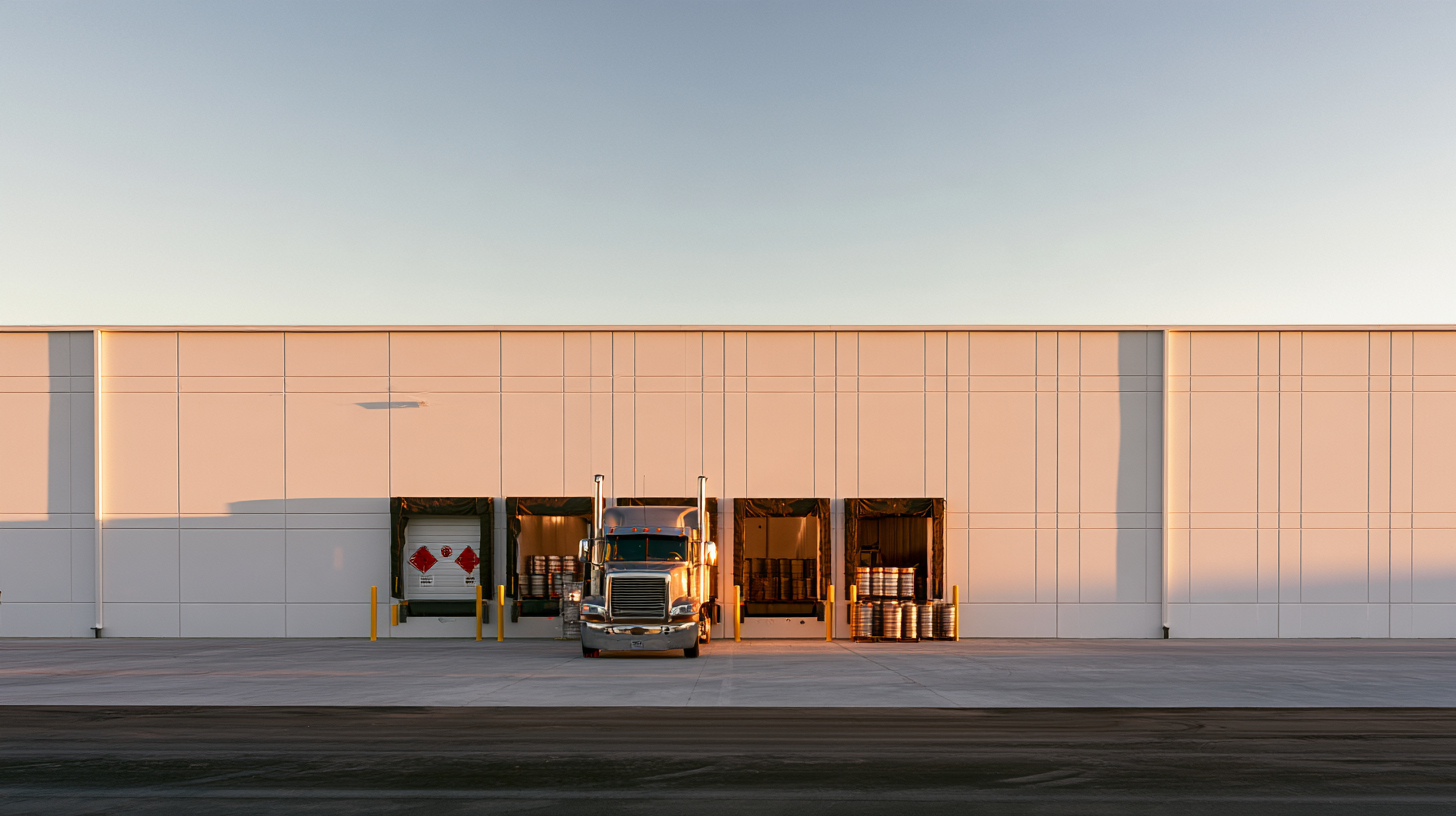
Hazmat warehousing is the storage of hazardous goods, including chemicals, lithium batteries, aerosols, and other regulated materials, in facilities equipped and staffed to handle them safely. Chemical warehousing is a closely related service for chemical products, both hazardous and non-hazardous. Which rules apply depends on the products, quantities, storage methods, and work performed in the building, and can include OSHA, EPA, local fire and building codes, and DOT rules when the warehouse prepares hazmat shipments. The right provider can show its storage practices and quantities comply with code for your specific products and volumes.
This guide is for logistics, supply chain, and operations leaders at chemical manufacturers and distributors, and at consumer brands with batteries, aerosols, or other flammable, corrosive, or pressurized products. It covers the hazard classes, the regulations that can apply, how hazmat warehouses store products, what drives cost, and how to choose a provider. Timing matters, too: OSHA's 2024 Hazard Communication update set employer deadlines of November 20, 2026 for substances and May 19, 2028 for mixtures, including for warehouses, to update labels, programs, and training as needed for newly classified hazards.
What Is Hazmat Warehousing?
Hazmat warehousing, also called hazardous goods storage or dangerous goods storage, is storage for products that can catch fire, explode, corrode, poison, or react if handled the wrong way. Depending on what it stores and how much, a hazardous material warehouse or chemical storage warehouse may use approved flammable storage cabinets, fire-rated rooms, spill containment, added ventilation, and sprinkler systems designed for the products inside. Some jurisdictions require fire permits, often only above set quantities. Where permits aren't required, the warehouse should still be able to document that its storage practices, hazard classifications, and quantities comply with the applicable fire and building codes.
Chemical Warehousing vs. Hazmat Warehousing
The terms overlap. Hazmat warehousing covers anything regulated as hazardous, including many chemicals plus consumer products like lithium batteries, aerosols, and perfume. Chemical warehousing covers chemicals of all kinds, both hazardous and non-hazardous. Many facilities store both. Whether one can take your products depends on their hazards, storage requirements, packaging, and quantities, so start any search with your Safety Data Sheets (SDSs), container types, and volumes.
What Counts as Hazardous Material?
The U.S. Department of Transportation (DOT) sorts hazardous materials into nine hazard classes, listed in Section 14 of a product's SDS. Warehouses use these classes as a starting point, but storage decisions also depend on each product's specific hazards, compatibility, quantity, and packaging.
Many consumer brands carry hazmat without realizing it. Fragrance, nail polish, aerosols, cleaning supplies, and lithium batteries can all fall into these classes, depending on formulation and quantity.
A hazard class alone doesn't tell a warehouse whether it can store a product safely, so a qualified warehouse reviews nearly the whole SDS. The most important are sections 2 (hazard identification), 5 (firefighting measures), 6 (accidental release measures), 7 (handling and storage), 8 (exposure controls and protective equipment), 9 (physical and chemical properties, such as flash point), 10 (stability and reactivity), and 14 (transport information). Together, they show whether a facility has the right storage conditions, fire protection, spill containment, equipment, and training for the product.
Hazmat Storage Requirements and Regulations
No single license makes a warehouse "hazmat certified." Several agencies and local codes can apply, depending on the products, quantities, storage methods, and activities in the building.
OSHA: Hazard Communication and Flammable Liquids
OSHA's Hazard Communication Standard (29 CFR 1910.1200) requires employers to keep containers labeled, make SDSs available, and train workers on chemical hazards. Warehouses where workers only handle sealed containers have narrower duties: keep labels intact, keep incoming SDSs accessible, and train workers to respond to leaks and spills. Facilities that open or repackage chemicals take on the full standard, including a written program. OSHA's flammable liquids standard (29 CFR 1910.106) adds storage rules based on each liquid's flammability and quantity.
DOT: Preparing Hazmat Shipments
DOT's Hazardous Materials Regulations (49 CFR Parts 171 to 180) regulate hazardous materials in transportation, so a warehouse that only stores hazmat isn't necessarily DOT regulated. The rules apply when warehouse staff classify, package, mark, label, load, or prepare shipping papers for hazmat shipments. Those employees need training within 90 days of hire and at least every three years, with records kept.
EPA: Tier II Reporting and Waste
Under EPCRA, a facility generally files an annual Tier II chemical inventory report by March 1 if it held 10,000 pounds or more of a hazardous chemical, or 500 pounds or the threshold planning quantity (whichever is lower) of an extremely hazardous substance, at any one time in the prior year. Exemptions apply, such as for products in the same form and concentration as those packaged for the general public, and some states set lower thresholds or their own rules. EPA hazardous waste rules can also apply to damaged or expired product, so agree up front on who handles disposal.
Fire and Building Codes: Quantity Limits
Local fire and building codes often shape hazmat storage more than federal rules. Most jurisdictions adopt a version of the International Fire Code and International Building Code or NFPA codes, which set a maximum allowable quantity (MAQ) for each hazard category per control area, a fire-separated section of the building. MAQs depend on the specific hazard, the material's physical state, the control area, protection features such as sprinklers and approved cabinets, and the code edition adopted locally. Exceeding an MAQ can require that area to meet high-hazard (Group H) requirements, but it doesn't automatically make the entire warehouse Group H.
Limits apply to the most material on hand at any one time, and they're shared by every customer in a control area. A warehouse that handles chemicals may only be able to hold small quantities of your products, so plan around peak inventory and ask how much capacity is available.
DHS: Chemical Security
DHS's Chemical Facility Anti-Terrorism Standards (CFATS) program expired in July 2023 and, as of November 2026, has not been reauthorized. Many facilities still follow its security practices, and CISA offers voluntary resources through its ChemLock program.
How Do Hazmat Warehouses Store Products Safely?
Safe hazmat storage comes down to keeping incompatible materials apart and being ready for a leak. Depending on the products and quantities, expect:
- Segregation by chemical compatibility and hazard characteristics. Products in the same hazard class can still react, so oxidizers stay away from flammables, acids from bases, and water-reactive materials from water, using distance, barriers, or separate rooms.
- Fire protection for flammables. Depending on fire codes and storage conditions, this may include approved cabinets, fire-rated rooms, designated storage areas, specialized sprinklers, ventilation, and ignition-source controls. Some flammable liquids can be stored in general areas, depending on classification, quantity, and packaging.
- Spill containment. Spill pallets or berms, spill kits, and protection against runoff into drains.
- Temperature control where needed. Some chemicals, such as certain organic peroxides, become unstable outside a set range.
- Lot and expiration tracking. Recalls and quality holds depend on knowing where each lot is.
- A documented emergency response process. Written procedures for spills, fires, and other emergencies, covering employee safety, evacuation, incident reporting, containment and cleanup responsibilities, and coordination with local emergency responders.
How Much Does Hazmat Warehousing Cost?
Hazmat warehousing costs more than general storage because facilities may carry permits and often invest in specialized storage, fire protection, containment, and trained staff. There is no standard published rate. Quotes usually include:
- Storage: Priced per pallet or square foot, highest for products that need fire-rated rooms or cabinets.
- Handling: Receiving and shipping, with added charges for drums, totes, and bulk bags.
- Hazmat shipment preparation: Marking, labeling, and shipping papers prepared by DOT-trained staff.
- Compliance support: SDS management and Tier II inventory data.
- Freight and accessorials: Carrier hazmat surcharges, minimums, spill cleanup, and disposal of damaged product.
To compare quotes fairly, send every provider your SDSs, monthly volumes, container types, and order profiles. Our 3PL warehouse pricing guide explains common fees.
How to Choose a Hazmat Warehouse Provider
Ask every hazmat 3PL the same questions:
- Which hazardous materials can you store, and how much? Ask for any fire permits, the certificate of occupancy, and documentation of code compliance for your products and quantities.
- How would you segregate our products? Look for decisions based on chemical compatibility as well as hazard class.
- Which SDS sections do you review before accepting a product?
- Who prepares hazmat shipments? Ask for DOT training records.
- What is your emergency response process? Ask who handles containment and cleanup and how the facility coordinates with local responders.
- Can you handle our containers and track lots? Drums, totes, and super sacks need the right equipment.
- What insurance covers our products? Our 3PL warehouse liability guide explains warehouse liability limits.
How WarehouseQuote Helps With Hazmat and Chemical Warehousing
WarehouseQuote's network of 1,000+ 3PL facility partners includes 168 locations with hazmat storage capabilities, operated by 86 different 3PL companies. Our team matches your products' hazards, quantities, and container types to the facilities equipped to store them, then manages those facilities with daily order advocacy, regular inventory reconciliations, and real-time inventory visibility.
St. Louis Group, a specialty chemical supplier of flame retardants and smoke suppressants, partners with WarehouseQuote to manage hazmat and non-hazmat materials in super sacks, bulk bags, drums, and totes. Our team reviewed more than 100 facility locations, consolidated the company's SDSs, set up lot tracking, and served as the lead point of contact during a hazmat spill. St. Louis Group now averages 99.7% inventory accuracy.
"In the chemical industry, the margin for error is zero." Josh Patterson, St. Louis Group
Read the St. Louis Group success story.
Frequently Asked Questions About Hazmat Warehousing
What is the difference between hazmat warehousing and chemical warehousing?
The terms overlap. Hazmat warehousing covers anything regulated as hazardous, including many chemicals plus products like lithium batteries and aerosols. Chemical warehousing covers both hazardous and non-hazardous chemicals. Many facilities store both.
Do warehouses need a permit to store hazardous materials?
It depends on the jurisdiction and quantities. Many fire codes require permits above set amounts, but not all do. Either way, the warehouse should be able to show its storage practices and quantities comply with applicable fire and building codes.
Are lithium batteries considered hazmat?
Yes. Lithium batteries are Class 9 hazardous materials under DOT rules and carry a fire risk in storage. Some warehouses limit how many they will hold.
Do warehouse workers need hazmat training?
Workers who handle hazardous chemicals need OSHA hazard communication training, including how to respond to leaks and spills. Workers who prepare hazmat shipments also need DOT hazmat training within 90 days of hire and at least every three years.
How much does chemical warehousing cost?
Storing hazardous chemicals costs more than general warehousing, and rates depend on the product's hazards, quantity, location, and container type. Compare total cost, including handling, shipment preparation, and compliance support.
Find the Right Hazmat Warehouse
Hazmat and chemical warehousing come down to matching your products' hazards and quantities to facilities that can store them in compliance with code. Start every search with your SDSs and peak volumes. If you need hazmat-capable space in more than one region, or a partner to manage compliance across facilities, talk to a WarehouseQuote expert.
About WarehouseQuote
WarehouseQuote is a managed warehouse and fulfillment solution. Through operational expertise, purpose-built technology solutions, and an extensive warehouse and fulfillment network, we help businesses optimize their warehouse and fulfillment operations.
